4 Helpful Teaching Strategies for Students on the Autism Spectrum
|
Getting your Trinity Audio player ready...
|
Introduction
Many students with Autism Spectrum Disorder (ASD) learn best when instruction is structured, visually clear, and predictable. While traditional classroom activities work well for some learners, they can feel overwhelming or confusing for students who struggle with communication, sensory processing, attention, or transitions.
The good news is that small adjustments in the way activities are presented can make a huge difference in participation, understanding, and independence.
Over the years, I’ve seen students become more engaged, confident, and successful when instruction is adapted to match the way they process information. Below are several simple, research-supported strategies that can help make learning more accessible for ASD learners at school and at home.
1. Use Visual Structure Whenever Possible
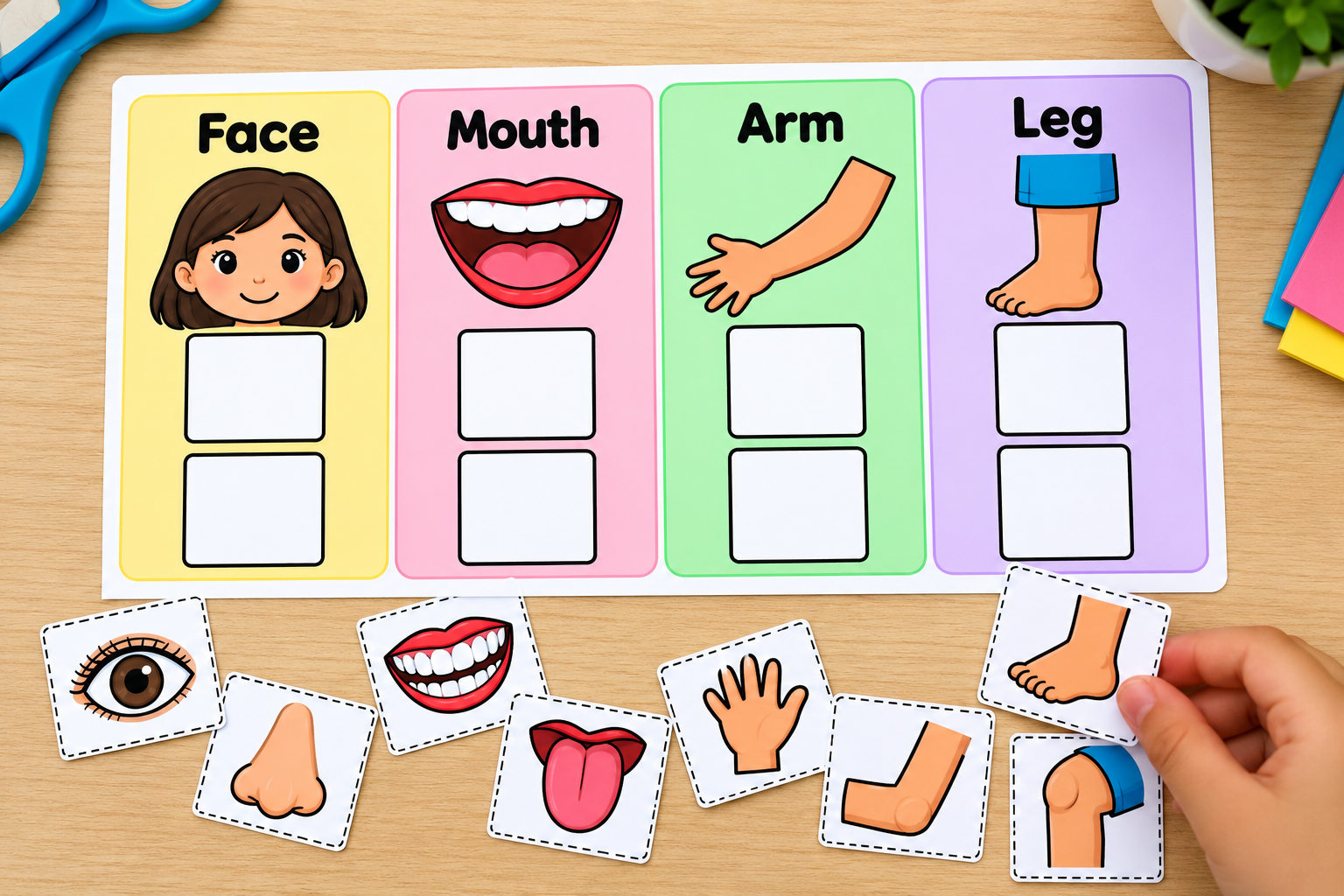
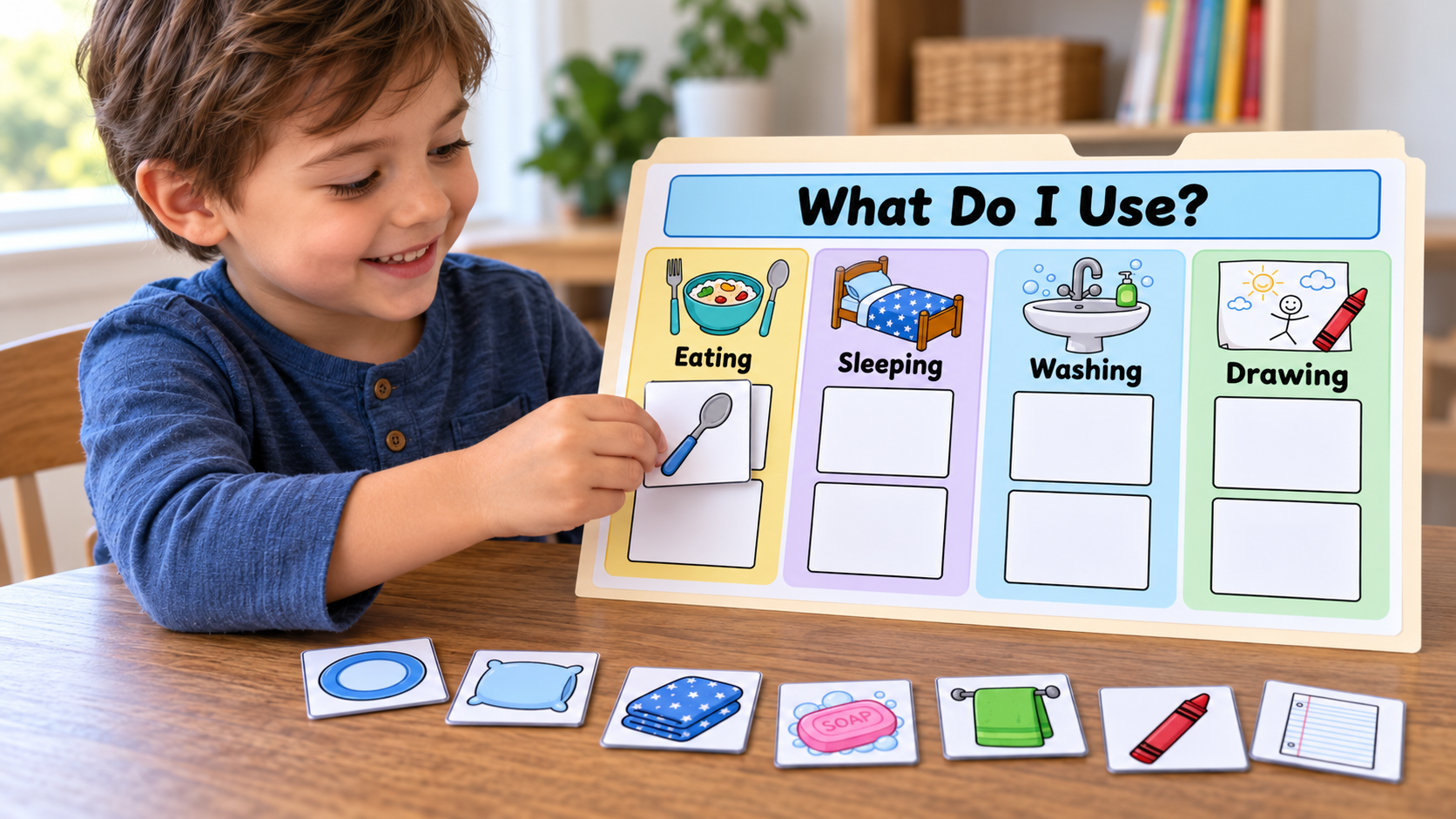
Many students with ASD understand information more easily when they can see what is expected instead of relying only on verbal directions.
Visual supports can include:
- Picture cues
- Visual schedules
- Step-by-step examples
- Models of completed work
- First/then boards
- Choice boards
Visual structure helps reduce anxiety because students can better predict what is happening and what they are expected to do.
For example, instead of saying:
“Get your folder, complete your worksheet, and then clean up,”
a visual sequence with pictures or icons may help the student process the routine much more independently.
2. Create Activities With Clear Beginnings and Endings
Many ASD learners stay more engaged when tasks clearly show:
- What to do
- How much work there is
- When the task is finished
Activities with a clear ending often feel less stressful and easier to understand.

For example, a child sorting colored bear counters into matching bowls can clearly see that the activity is complete once all the bears are sorted. Similarly, placing puzzle pieces into a puzzle, matching pictures, or moving completed work into a “finished” bin all provide a visual sense of completion.
This type of structure can increase independence and reduce frustration during learning activities.
3. Reduce Visual Clutter
Worksheets or materials with too much text, too many colors, crowded images, or excessive choices can be overwhelming for some students on the spectrum.
Reducing visual clutter may include:
- Covering parts of a worksheet
- Using fewer items on a page
- Increasing spacing between tasks
- Using simple layouts
- Removing unnecessary decorations or distractions
When students are not overloaded visually, they are often better able to focus on the important information.
4. Use Less Talking and More Demonstrating
Many ASD learners process visual information more effectively than lengthy verbal explanations.
Sometimes adults accidentally overwhelm students by giving too many directions at once or repeating verbal prompts too often.
Instead, it can help to:
- Demonstrate the task (hand over hand or hand under hand if needed)
- Point to visuals or items
- Use short phrases
- Pause and allow processing time
- Physically model what to do
For example, instead of repeatedly explaining how to complete a matching activity, an adult may simply complete the first example while the student watches or helps.
Often, students understand much more when adults guide them with hands-on learning and visuals.
5. Predictability Helps Reduce Anxiety
Unexpected changes, unclear expectations, and sudden transitions can be difficult for many students with autism.
Predictable routines help students feel safer and more regulated throughout the day.
This can include:
- Consistent schedules
- Visual countdowns
- Transition warnings
- Familiar routines
- Clear expectations
- Structured environments
When students know what is coming next, they are often more able to participate successfully.
A Student I Will Never Forget
During my first year working in a specialized program for students with significant communication challenges, I worked with a nonverbal 15-year-old student named Matthew who rarely participated in academic activities. Most days, he laid on the floor and appeared disconnected from instruction.

Some adults questioned whether he was capable of learning academic skills.
But over time, it became clear that the issue was not ability. The issue was access.
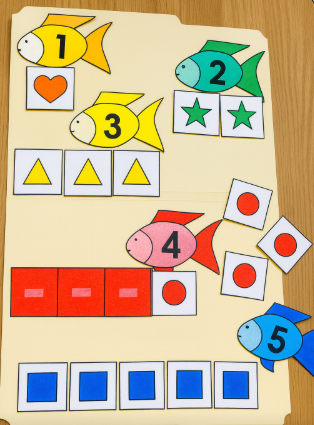
When activities were redesigned using visual structure, reduced verbal language, simplified materials, and clearer expectations, Matthew began participating more consistently. He completed tasks, demonstrated understanding, and became increasingly engaged in classroom activities.
Watching that growth changed the way I viewed instruction forever.
Sometimes students are capable of far more than we initially realize when learning is presented in a way that works for them.
Simple Reminders for Supporting ASD Learners
When supporting students with autism, try to:
- Keep directions short and clear
- Use visuals whenever possible
- Reduce unnecessary distractions
- Create predictable routines
- Show students what to do
- Break tasks into smaller steps
- Provide clear beginnings and endings
- Focus on progress instead of perfection
Most importantly:
Match the instruction to the student — not the other way around.
Final Thoughts
Structured, visual, and supportive teaching strategies do much more than improve academic performance. They can help students feel calmer, more confident, more independent, and more willing to participate in learning activities.
Every child deserves instruction that helps them access learning in a meaningful and successful way.
With the right supports, many students with autism can thrive academically, socially, and emotionally.

Rachel Wise is the author and founder of Education and Behavior. Rachel created Education and Behavior in 2014 for adults to have an easy way to access research-based information to support children in the areas of learning, behavior, and social-emotional development. As a survivor of abuse, neglect, and bullying, Rachel slipped through the cracks of her school and community. Education and Behavior hopes to play a role in preventing that from happening to other children. Rachel is also the author of Building Confidence and Improving Behavior in Children: A Guide for Parents and Teachers.
"Children do best when there is consistency within and across settings (i.e., home, school, community). Education and Behavior allows us to maintain that consistency."
Releated Topics